
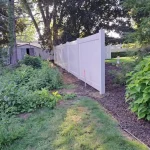


Choosing the right fence material for long-term durability comes down to understanding how different materials perform in your specific climate and maintenance preferences. Wood offers classic appeal but requires regular upkeep, vinyl provides low-maintenance longevity, and metal delivers exceptional strength with varying maintenance needs. The best choice depends on your budget, local weather conditions, and how much maintenance work you’re willing to perform over the fence’s lifetime. This guide breaks down the essential factors to consider, backed by years of installation experience across different climate zones, helping you make an informed decision that will last for decades.
Understanding Fence Material Performance
Different fence materials age differently based on their composition and exposure to weather. Understanding these fundamental differences helps you predict which materials will hold up best in your specific situation.
Wood Options
Wood fences remain popular for their natural beauty and classic appearance. Cedar and redwood naturally resist rot and insects, lasting 15-25 years with proper maintenance. Pressure-treated pine offers a more budget-friendly option but typically lasts 8-15 years. The longevity of wood depends heavily on regular staining or sealing every 2-3 years, along with prompt repairs to any damage North American Deck and Railing Association.
Bonus Tip: For maximum wood fence durability, choose vertical board orientation rather than horizontal. Vertical boards shed water more effectively and reduce moisture retention at the joints, significantly extending the fence’s life in rainy climates.
Metal Choices
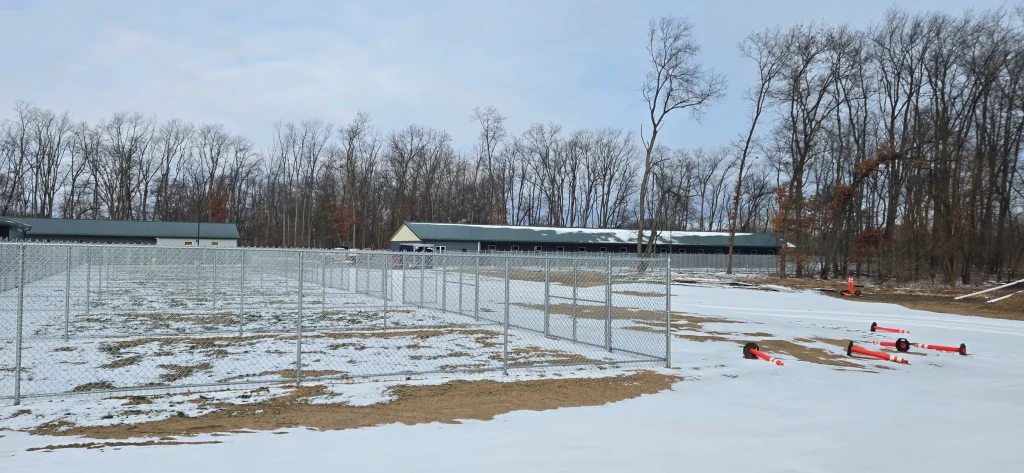
Metal fences provide some of the longest-lasting solutions available. Aluminum fencing can last 30+ years with minimal maintenance since it won’t rust, making it ideal for coastal areas. Steel and iron offer superior strength but require regular maintenance to prevent rust, typically needing repainting every 5-7 years. Chain-link fences, while functional, generally last 15-20 years before showing significant wear.
According to market research from the American Fence Association metal installations have increased by 23% over the past decade, largely due to their longevity and low-maintenance appeal in diverse climates.
Vinyl and Composite Materials
Vinyl fencing has become increasingly popular for its zero-maintenance characteristics. High-quality vinyl can last 30-40 years without painting, staining, or sealing. Composite materials combine wood fibers with recycled plastics, offering the appearance of wood with greater resistance to rot and insect damage. Both options handle moisture well but can become brittle in extremely cold temperatures and may warp in intense heat.
Comparison of Durability Factors
This comparison table highlights how different materials perform across key durability factors:
| Material | Average Lifespan | Maintenance Required | Best Climate | Initial Cost |
|---|---|---|---|---|
| Cedar | 15-25 years | High (staining every 2-3 years) | Moderate climates | Medium-High |
| Pressure-Treated Pine | 8-15 years | Medium (staining every 3-5 years) | Most climates | Low-Medium |
| Aluminum | 30+ years | Low (occasional cleaning) | All climates, especially coastal | Medium |
| Steel/Wrought Iron | 25+ years | Medium (repainting every 5-7 years) | Most climates | High |
| Vinyl | 30-40 years | Very Low (occasional cleaning) | Moderate climates | Medium-High |
| Composite | 25-30 years | Low (occasional cleaning) | Most climates | High |
Climate and Regional Considerations
Your local climate dramatically affects how different materials perform over time. In the Midwest, where temperatures swing from below freezing to over 90°F, materials must handle significant expansion and contraction. Vinyl can become brittle in extreme cold, while wood may warp with humidity changes.
Coastal areas present unique challenges due to salt exposure. Even galvanized metals can corrode quickly without proper protection, making aluminum an excellent choice despite its higher initial cost. The Southwest’s intense sun and UV radiation can cause vinyl and plastic composites to fade and become brittle over time, while metal may require more frequent repainting to prevent sun damage.
In regions with heavy snowfall, consider the weight load on fence panels. Horizontal wood boards or solid privacy fences can accumulate significant snow weight, potentially causing sagging or collapse. Metal fences with open designs handle snow loads more effectively, allowing precipitation to pass through rather than accumulate.
Things to Consider Before Making a Decision
Before committing to a fence material, evaluate these practical factors that impact long-term satisfaction:
Soil conditions affect post longevity regardless of material. Clay soils retain moisture and can accelerate wood rot, while sandy soils drain better but may require deeper post holes for stability. Concrete post anchors extend fence life significantly in challenging soil conditions.
Property Purpose determines which material suits your needs. Security fencing requires different characteristics than decorative boundaries. High-traffic areas benefit from materials that resist impact damage, while noise reduction needs point toward solid wood or composite materials.
Future Maintenance considerations should include not just the work involved but also the cost of materials over time. A wood fence requiring staining every few years adds ongoing expense for materials and tools, while vinyl’s zero maintenance offsets its higher initial cost over a 20-year period.
Bonus Tip: Check local building codes and HOA restrictions before finalizing your material choice. Some areas limit fence height or specific materials, particularly for front yard installations. Getting this information upfront prevents costly material returns or project delays.
Bonus Tip: Consider visibility needs when selecting materials. Solid wood or vinyl provides complete privacy, while aluminum and chain-link offer security without obstructing views. Some homeowners opt for a combination, using solid materials on property boundaries and more open fencing for decorative sections.
Making Your Final Decision
The right fence material balances your budget, climate challenges, and maintenance preferences against desired lifespan and appearance. Wood offers natural beauty but requires ongoing care, while metal provides exceptional strength with varying maintenance needs. Vinyl delivers decades of worry-free performance but may not suit extreme climates. Evaluate your specific situation honestly. How much time and money will you invest in maintenance over the next 20 years? The best fence material isn’t necessarily the most expensive option, but the one that aligns with your practical needs and realistic maintenance commitment.
Get Professional Guidance
Choosing the right fence material for your specific situation requires careful consideration of multiple factors. Justice Fence Co. can provide detailed recommendations based on your property’s unique characteristics and local climate challenges. For personalized guidance on selecting materials that will stand the test of time in your specific environment, reach out to the experts at (269) 964-1596. Professional assessment helps ensure your investment in fencing delivers the durability and performance you expect for decades to come.
Sources
- American Fence Association – Industry trade organization providing market research and best practices for fence installation and materials
- North American Deck and Railing Association – Organization offering technical specifications and durability data for various fencing materials
- U.S. Department of Agriculture – Research on wood treatment methods and natural durability of different wood species used in fencing applications
Frequently Asked Questions
What’s the most cost-effective fence material over 20 years?
Vinyl typically offers the best long-term value despite higher initial costs. The 30-40 year lifespan with minimal maintenance offsets the upfront expense compared to wood, which requires regular staining or replacement. Aluminum also provides excellent value, particularly in coastal regions where other materials deteriorate faster.
Can I mix different fence materials?
Combining materials works well when serving different purposes. Many properties use wood or vinyl for privacy sections and aluminum or chain-link for decorative boundaries. The key is matching post materials and maintaining consistent height for structural integrity and appearance.
How deep should fence posts be installed for maximum durability?
Post depth should account for local frost lines and soil conditions. As a general rule, dig post holes one-third the total fence height plus 6 inches. In freezing climates, extend posts below the frost line (typically 36-42 inches deep) to prevent heaving during freeze-thaw cycles U.S. Department of Agriculture.
Which materials add the most property value?
Well-maintained wood fences typically add the most resale value due to their traditional appeal and customizable appearance. However, the condition matters more than material type, a damaged or weathered fence of any material can detract from property value regardless of initial quality.
Are eco-friendly fence options available?
Several sustainable options exist. Cedar and redwood come from renewable forests, with some suppliers offering FSC-certified options. Composite materials often contain recycled plastics and wood fibers. Aluminum is highly recyclable at the end of its lifespan. Consider both material source and eventual disposal when evaluating environmental impact.