
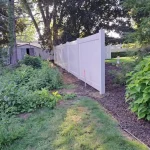


Vinyl fencing provides a low-maintenance, weather-resistant boundary solution for properties. It combines aesthetic appeal with long-term performance, making it a preferred choice for homeowners and business owners seeking durable, clean-looking enclosures that resist rot, pests, and environmental decay over many years.
- Choosing the right style ensures your fence meets your privacy, security, or decorative needs while complementing your property’s existing design.
- Understanding local regulations and site conditions is necessary to avoid legal issues and ensure your fence remains standing for decades.
- Proper planning of your vinyl fence installation helps maximize your investment by preventing common drainage and alignment problems early on.
- Regular care routines keep your fence looking new, requiring only basic cleaning supplies rather than expensive stains or chemical treatments.
Why Choose Vinyl? Understanding the Material
Vinyl, or polyvinyl chloride (PVC), became a standard in outdoor construction because it outperforms traditional materials like wood or metal in specific environments. Unlike wood, vinyl does not absorb moisture, meaning it will not warp, rot, or attract termites.
According to data from the American Fence Association, synthetic fencing materials have seen steady growth in market share due to their ability to withstand harsh weather conditions without requiring annual sanding or painting.
Essential Benefits
When you choose vinyl fencing, benefits include resistance to ultraviolet rays, which prevents the material from becoming brittle. You also avoid the constant need for chemical treatments that are common with pressure-treated timber.
- Longevity: Most high-quality vinyl products come with lifetime warranties.
- Low Maintenance: A simple wash with a hose usually restores the surface.
- Safety: The material is non-toxic and lacks splinters, making it ideal for play areas.
Planning Your Project
Before purchasing materials, you must assess the site. Whether you are looking at residential vinyl fencing or options for a larger site, the prep work remains the same.
Legal and Site Requirements
Check your local building codes. Many municipalities have strict rules regarding fence height, especially in front yards or near street corners where visibility matters for traffic. You must also call your local utility company to mark underground lines.
- Property Lines: Hire a surveyor if you have any doubt about where your fence should go.
- HOA Rules: If you belong to a homeowners association, obtain written approval for the specific style and color before starting.
Vinyl Fence Installation: A Closer Look
A successful project hinges on how well you handle the vinyl fencing installation. The structural integrity of a vinyl fence depends on the posts. Because vinyl is flexible, it must be installed with steel inserts in some areas to provide rigidity, especially for gates.
The Standard Process
- Layout: Stakes and string lines define the path.
- Post Setting: Dig holes below the frost line to prevent shifting. Use concrete for stability.
- Assembly: Install rails into the posts, ensuring they are level.
- Panel Attachment: Slide your panels into place.
- Finishing: Secure caps and gate hardware.
Key Takeaways: Installation Best Practices
- Never skip the concrete footings, even if the soil feels firm.
- Ensure gates are reinforced with internal steel frames to prevent sagging over time.
- Account for thermal expansion by leaving a small gap where rails meet posts.
Choosing the Right Style
You can find a variety of vinyl fence types to suit different needs. The design you pick directly impacts your vinyl fence maintenance and privacy level.
Options for Different Needs
- Privacy: These panels have no gaps, offering full enclosure.
- Picket: Classic, decorative, and ideal for defining borders without blocking views.
- Post and Rail: Great for larger properties or agricultural settings.
| Feature | Privacy Fence | Picket Fence |
|---|---|---|
| Primary Use | Security/Seclusion | Decoration |
| Wind Load | High | Low |
| Privacy Level | Full | Low |
Choosing the Right Fence Height
Fence height should match the purpose of the property and any local restrictions. A shorter picket fence may be enough for defining a front yard, while a taller privacy fence can block views and create a more secluded backyard.
Consider nearby windows, walkways, driveways, and landscaping when deciding on the height. Checking local regulations before ordering materials is also important because height limits can vary between front and rear yards. Planning this detail early helps avoid changes after installation.
Managing Costs and Durability
The vinyl fence installation cost varies based on material thickness, color, and height. While initial costs might exceed wood, the vinyl fence lifespan is significantly longer, often reaching 30 years or more with minimal care.
Factors Affecting Price
- Material Quality: Thicker walls provide better impact resistance.
- Design Complexity: Custom heights or decorative caps increase labor.
- Property Size: Larger perimeters require more posts, which are the most expensive components.
Expert Tip: When comparing quotes, ensure the contractor is using virgin vinyl rather than recycled plastic, as recycled materials can become brittle in extreme heat.
Considerations for Commercial Properties
Using commercial vinyl fencing requires a different approach than residential projects. These fences often need to meet higher security standards. For example, a business might require taller panels, heavier-duty posts, and integrated access control systems.
Durability is the primary concern for business owners. According to a report by Grand View Research, the commercial segment of the fencing market is expanding because businesses are prioritizing low-cost, long-term asset management.

Routine Care and Maintenance
Even though it is low-maintenance, your fence is not “no-maintenance.” Over time, dirt and algae can accumulate.
- Cleaning: Use a mild detergent and a soft-bristled brush.
- Inspection: Once a year, check the hardware on gates. Tighten screws and apply lubricant to hinges.
- Pressure Washing: If you use a power washer, keep it on a low setting to avoid damaging the surface.
Vinyl Fence Gates and Hardware
Gates require extra attention because they experience repeated movement and place more stress on the supporting posts. Choose hinges and latches that are appropriate for the size and weight of the gate.
For wider gates, reinforced posts can help prevent sagging and alignment problems. Check the hardware during routine inspections and tighten loose fasteners when necessary. A properly supported gate should open and close smoothly without dragging against the ground or putting excessive pressure on the surrounding fence.
Putting Your Vinyl Fencing Strategy into Action
A well-planned fence enhances your property for years. By focusing on quality materials, ensuring the installation accounts for local climate conditions, and performing basic maintenance, you protect your investment. View Our Map to find our location and learn more about the areas we serve. Use this guide as a reference whenever you evaluate your property boundaries.
Need Expert Guidance?
If you have questions about specific site requirements or want to discuss your project, contact Justice Fence Co. We provide professional consultations to help you choose the best materials and layout for your property. You can reach us by calling (269) 964-1596 to speak with an experienced installer today. We are ready to help you plan your fence project with precision and confidence, ensuring long-term value for your residential or commercial space.
Frequently Asked Questions About Vinyl Fencing
Does vinyl fencing crack in cold weather?
High-quality vinyl is designed to remain flexible even in freezing temperatures. However, extreme impact during a hard freeze can cause damage.
Can I paint my vinyl fence?
Painting is generally discouraged. Vinyl is non-porous, meaning paint will not adhere well and will eventually peel, leading to more maintenance than the fence would have originally required.
Is vinyl environmentally friendly?
Vinyl is a durable, long-lasting product that does not require chemical treatments, which helps reduce the environmental impact compared to wood that needs regular staining.
How deep should the posts go?
Posts should generally be buried at least one-third of their length, or below the local frost line, to ensure the structure does not heave during winter months.
Can vinyl fencing be repaired?
If a section is damaged, you can often replace individual pickets or panels without needing to remove the entire fence line.
Sources
- American Fence Association – A trade organization providing industry standards, installation guides, and information on fencing materials.
- Grand View Research – A market research firm providing insights into construction industry trends, including fencing market growth and material preferences.