
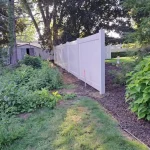


A typical 6-foot vinyl fence cost ranges from $25 to $40 per linear foot for materials and professional labor combined, with most property owners spending between $3,750 and $6,000 for a standard 150-foot perimeter. The final price tag depends on total linear footage, ground slope, soil conditions, panel design, gate hardware, and permit fees.
Installing a boundary fence requires weighing long-term durability against upfront expenses. Drawing from decades of field work, Justice Fence Co. outlines the precise variables that determine your overall vinyl fence project cost. The vinyl fence guide for durability and installation helps property owners understand these elements in advance, prevent budget surprises, and prioritize security and curb appeal.
Primary Cost Drivers for Vinyl Fencing
The overall investment breaks down into tangible physical components and professional labor. Each variable influences the bottom line differently.
Yard Dimensions and Panel Style
The total length of the boundary line dictates the base price. Pricing follows a 6 ft vinyl fence cost per foot model, meaning larger yards require more raw materials and post holes.
Panel design also impacts the vinyl fence material cost. Flat-top solid privacy panels represent the baseline, while decorative options like lattice accents, open pickets, or simulated wood textures increase the price by 20% to 35%. According to residential pricing estimates collected by Forbes Home, materials alone generally run between $15 and $30 per linear foot, depending heavily on panel thickness and interior reinforcement.
Bonus Tip: Opting for solid panels without top lattice trim cuts down manufacturing charges while providing better wind deflection and privacy.
Labor and Site Preparation
Professional installation guarantees structural integrity, especially against high winds and seasonal ground freeze. Typical vinyl fence installation labor averages $5 to $15 per foot, but difficult site conditions will drive this higher. Professional vinyl fence installation also accounts for site preparation, as clearing brush, cutting surface tree roots, or removing old chain-link fences adds dedicated line items to an estimate.
Digging post holes forms the bulk of the manual effort. Rocky soil, heavy clay, or buried construction debris slows progress and requires heavy augers or jackhammers.
Critical Accessories and Gates
Gates require specialized structural posts, latch hardware, and drop rods. A standard vinyl fence gate cost ranges from $300 to $800 depending on width and single versus double-door construction. Standard panels cannot support the swinging weight of an entrance door, so gates demand reinforced posts with internal aluminum inserts.
The underlying vinyl fence post cost varies based on post type: line posts, corner posts, and end posts experience different load levels. Corner and gate posts undergo higher stress and require deeper holes and extra concrete footing.
| Cost Element | Average Price Range | Purpose and Impact |
|---|---|---|
| Standard Materials | $15 to $30 per foot | Panels, standard posts, and top caps |
| Labor Rates | $5 to $15 per foot | Digging, alignment, and concrete setting |
| Single Gate Package | $300 to $500 each | Walkway access, includes standard latches |
| Double Drive Gate | $700 to $1,200 each | Vehicle access, requires heavy post reinforcement |
| Old Fence Removal | $3 to $6 per foot | Demolition, haul-away, and site clearing |
| Concrete per Post Hole | $8 to $12 per bag | Secures post against frost heave and wind load |
Yard Conditions That Shift Pricing
Every property presents distinct physical challenges that alter the cost to install vinyl fence systems.

Slopes and Grading
Fencing across hillsides requires specialized layout techniques:
- Stepping: Panels stay level while stepping down the hill, leaving small triangular gaps beneath sections.
- Racking: Panels follow the natural ground contour, which requires specially routed rails and pickets.
Racking demands flexible components and precise measurements, which raises installation time and overall vinyl fence installation cost.
Bonus Tip: If your slope is minimal, leveling high spots with hand grading prior to post digging can avoid the need for specialized racking assemblies.
Frost Lines and Soil Density
Posts must sit below the regional frost line to prevent seasonal soil movement from shifting the fence. In colder northern zones, posts must reach depths of 36 to 48 inches. Deeper holes require extra concrete, larger auger equipment, and more time per post.
According to home improvement analysis by Angi, proper depth setting and post anchoring represent the most critical technical steps in preventing long-term panel collapse.
Things to Consider Before Making a Decision
Before signing a contract or ordering materials, review these critical project requirements:
- Property Line Verifications: Avoid boundary disputes by locating legal property pins or scheduling a professional boundary survey before digging.
- Underground Utilities: Contact local locating services (such as 811) to mark buried electric, gas, water, and fiber optic lines before any equipment touches the turf.
- Homeowners Association (HOA) Rules: HOAs often enforce strict guidelines regarding acceptable colors, heights, and set-back distances from sidewalks.
- Building Permits: Municipalities frequently require permits for any structure exceeding four feet in height. Permit costs range between $50 and $200.
Common Questions About Vinyl Fence Projects
Property owners frequently ask how vinyl compares to traditional wood over several decades. While cedar or pressure-treated pine has a lower initial material expense, wood demands regular pressure washing, staining, and board replacements every few years. Vinyl fences resist rot, insect damage, and moisture degradation entirely.
Another frequent inquiry centers on wind resistance. Well-constructed 6-foot privacy fences act as large sails during heavy storms. Choosing heavy-duty commercial vinyl with internal steel or aluminum channel reinforcements inside the bottom rail prevents high winds from popping panels out of their tracks.
Key Planning Takeaways
Managing a vinyl fencing budget comes down to measuring the yard, assessing slope changes, and selecting durable hardware. While base materials form the foundation of your quote, ground conditions and site preparation dictate the labor requirements. Homeowners who verify property boundaries, review municipal codes, and account for gates early on can establish an accurate budget and secure an attractive, low-maintenance border for their property.
Professional Fencing Guidance
Justice Fence Co. helps property owners evaluate boundaries, select high-grade materials, and plan reliable installations. For project estimates and on-site assessments, contact the office at (269) 964-1596 or reach out via email at sales@justicefence.com.
Important Questions Answered
How long does a 6-foot vinyl fence typically last?
A quality vinyl fence lasts 20 to 30 years or more with very little maintenance. Because the material does not absorb water, it resists rot, splintering, rust, and pest infestation.
Does fence color impact the final material cost?
Yes. Classic bright white vinyl serves as the industry standard and carries the lowest price. Darker shades like tan, gray, black, or wood-grain textures incorporate specialized ultraviolet inhibitors to prevent fading, which increases material pricing by 15% to 30%.
Can vinyl posts be driven into the ground without concrete?
Concrete remains standard practice for residential 6-foot privacy installations to anchor the posts against wind and frost heave. Driven pipe systems exist, but deep-set concrete footings provide superior lateral strength.
How much space should remain between the fence and the ground?
Installers typically leave a gap of two to three inches between the bottom rail and the turf. This clearance protects the fence from weed trimmers and allows stormwater runoff to pass underneath without placing pressure on the panels.
Will cold winter temperatures crack vinyl fencing?
Modern vinyl fences include impact modifiers designed to handle freezing temperatures. While the material becomes slightly less flexible during deep freezes, it will not shatter unless subjected to heavy direct impact, such as contact with a vehicle or falling tree limb.
Sources
- Forbes Home – Comprehensive cost breakdown covering average materials and labor rates for residential vinyl fences.
- Angi – Detailed guide outlining site prep, soil considerations, and regional pricing differences for fence projects.