


Temporary event fencing serves as the primary physical barrier that defines boundaries, manages foot traffic, and prevents unauthorized access to restricted zones. These systems support site security by creating a controlled environment where organizers can monitor entry points and protect valuable equipment or participants. By establishing a clear perimeter, these fences act as a visual deterrent against trespassing and help maintain order in high-pressure situations.
We bring years of practical experience in perimeter management to help you understand how these mobile barriers function in real-world settings. This guide covers the practical mechanics of site security, from choosing the right hardware to understanding the legal standards that keep people safe.
Physical deterrents and psychological boundaries
A fence is more than just a metal wall. It creates a psychological boundary that tells the public exactly where they are not allowed to go. According to research from the National Crime Prevention Council, visible physical barriers are one of the most effective ways to discourage casual trespassing and opportunistic theft.
When people see a professional temporary fence rental setup, they naturally follow the paths laid out for them. This reduces the number of security personnel needed to guard “soft” boundaries. Instead of having staff stand every ten feet, we can use fencing to funnel visitors toward designated check-in areas.
1. Organizing movement with pedestrian management
Security isn’t just about keeping people out; it’s about managing the people who are supposed to be there. Without a clear path, crowds can become disorganized and dangerous. High-visibility crowd control barriers allow staff to create “corrals” or winding lines that slow down the flow of people into a venue.
This controlled speed is vital for security teams to perform bag checks or ticket scans properly. If a crowd moves too quickly, details are missed. These smaller, interlocking metal frames are easy to move but sturdy enough to withstand the pressure of a large group of people waiting for a concert or festival.
2. Preventing theft on active jobsites
While event fencing manages crowds, construction sites require barriers to protect assets from theft. Construction sites are frequent targets for criminals because they contain expensive tools and raw materials. A professional temporary fencing services provider will typically suggest tall chain-link panels to block easy access. These panels are often mounted on heavy stands and secured with clamps to ensure they cannot be easily pushed over.
Data from the National Equipment Register indicates that construction equipment theft costs the industry hundreds of millions of dollars annually. Secure fencing is the first line of defense against these losses. It makes it much harder for someone to drive a vehicle onto the site or carry away bulky items under the cover of night.
Choosing the right security barrier system
Not every site has the same needs. A street fair requires different protection than a deep excavation project. The table below outlines the common specifications used to secure different types of locations.
| Feature | Event Barricades | Standard Fence Panels | Privacy Screened Panels |
|---|---|---|---|
| Typical Height | 43 inches | 6 to 8 feet | 6 feet |
| Primary Use | Line management | Perimeter security | Visual privacy/Dust control |
| Material | Galvanized steel | Chain link or welded wire | Steel with mesh fabric |
| Installation | Interlocking hooks | Clamps and stands | Clamps, stands, and ties |
Bonus Tip: If you are securing a site on uneven ground or grass, always ask for “sandbagging” or “staking.” Wind can turn a large fence panel into a sail, and weighted bases prevent the perimeter from collapsing during a storm.
3. Visual privacy and reduced temptation
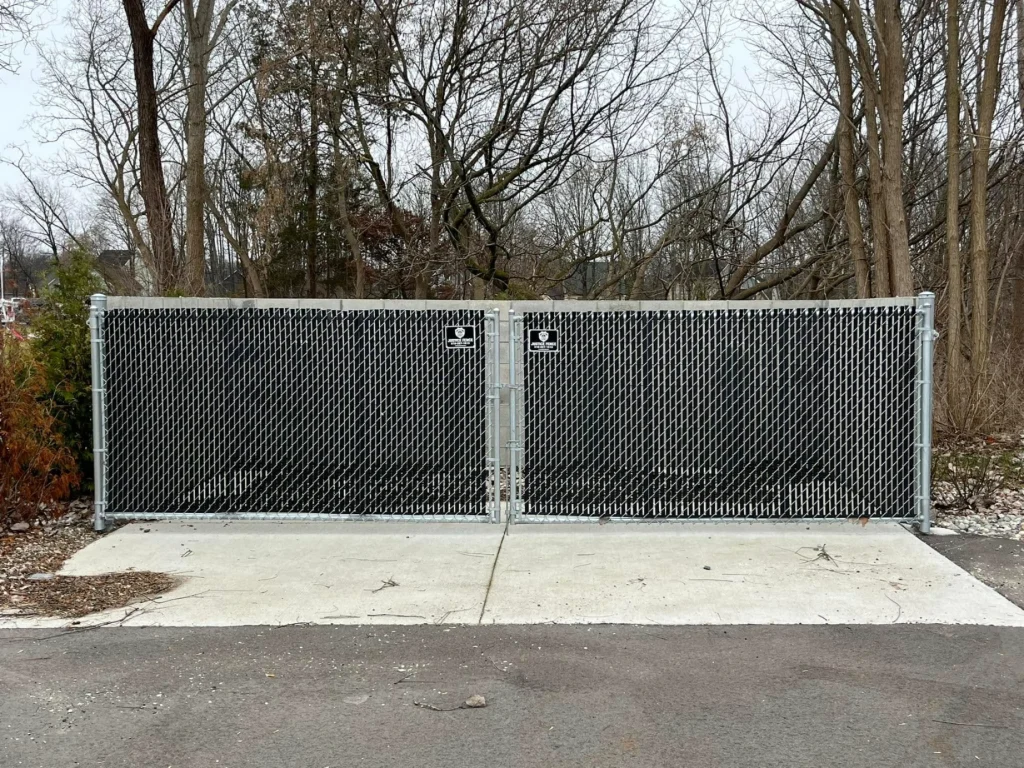
Sometimes, the best way to secure a site is to keep it out of sight. When an event fencing contractor adds privacy screening or “scrim” to a fence, it serves two purposes: it prevents passersby from seeing expensive equipment, which reduces the temptation for theft, and it limits distractions for drivers or pedestrians.
On construction sites, this mesh also helps contain dust and debris, keeping the surrounding area cleaner and safer. This simple addition turns a transparent wire fence into a solid-looking wall that feels much more permanent and intimidating to potential intruders, which is why many contractors prefer working with Justice Fence Co for secure site fencing solutions.
4. Legal compliance and safety standards
Security also involves protecting the public from accidental injury. Construction sites are full of hazards like open trenches or falling objects. An effective fence keeps curious children or distracted pedestrians away from these dangers.
A study published by the Occupational Safety and Health Administration highlights that perimeter protection is a fundamental requirement for jobsite safety. Failing to maintain a secure boundary can lead to massive legal liabilities and fines. Proper fencing ensures that only trained, authorized personnel wearing the right safety gear enter the hazardous zones.
Bonus Tip: Use “Safety Orange” or high-visibility tape on the feet of the fence stands. In low-light conditions, these stands can become trip hazards for pedestrians if they aren’t clearly marked.
What should be checked before installing a system?
Before any metal hits the ground, you need to look at the environment. Are there underground utility lines that might be damaged by stakes? Is the ground level enough to support standing panels without them leaning? You also need to check local municipal codes regarding fence height and placement near sidewalks.
Another factor is the duration of the project. For a one-day parade, lightweight event fence rental options are best. For a six-month building project, you might need a more rugged system that can withstand months of weather and wear. Always ensure there are enough emergency exit gates that can be opened quickly if a fast evacuation is necessary, which aligns with the design principles used in vinyl picket fence systems for controlled access and long-term durability.
How do gate placements impact security?
The number and location of gates are the weakest points in any security plan. Too many gates make it hard to monitor entry. Too few gates can create a bottleneck that becomes a safety hazard during an emergency. We recommend placing gates in areas with high visibility where a security guard or camera can easily record everyone entering and exiting the site.
Maintaining a secure perimeter
Security is not a “set it and forget it” task. We recommend doing a daily walk-through of the fence line. Look for loose clamps, shifted bases, or gaps where someone might have tried to pry the panels apart. Checking the perimeter every morning ensures that the site remains as secure on day thirty as it was on day one.
In summary, a well-planned system uses physical barriers to direct traffic and block intruders. By combining tall panels for boundaries and smaller barriers for crowd management, we create a layered defense. Always evaluate the specific terrain and local safety requirements before selecting your hardware. Temporary event fencing remains one of the most cost-effective ways to manage a site and protect the people within it.
Your Partner in Perimeter Security
We know that keeping a site secure requires more than just dropping off some metal panels. Our team at Justice Fence Co. focuses on providing reliable solutions tailored to your specific project needs. Whether you are managing a large festival or a local building site, we are here to help. You can reach us at (269) 964-1596 for professional advice or a free quote. We take pride in our work and look forward to helping you secure your next project.
Questions to ask about site security
Can temporary fences be used on concrete surfaces?
Yes, panels are placed on flat steel or plastic bases that sit on top of the concrete. This avoids the need for drilling holes. Sandbags or concrete blocks are then added to the bases to provide stability against wind or physical pressure.
How do these systems handle high wind?
Large panels act like sails in the wind. To prevent tipping, we use heavy weights on the bases or angled “outriggers” for extra support. If privacy mesh is used, it should be wind-rated to allow some air to pass through.
Are temporary fences difficult to climb?
Most panels are designed with vertical bars or small chain-link mesh that provides few footholds. For higher security needs, we can add “top rails” or specialized anti-climb panels that make it nearly impossible for an intruder to get over the top.
What is the standard height for a security fence?
For most construction and high-security events, a six-foot-tall panel is the industry standard. This height is tall enough to prevent most people from hopping over easily while still being manageable for a crew to install and move as needed.
Can I move the fence myself once it is installed?
It is always safer to have the contractor relocate sections to ensure the stands remain balanced and the clamps are tightened to the correct specifications.
Sources
- National Crime Prevention Council – An organization dedicated to helping people keep themselves and their communities safe through crime prevention education.
- National Equipment Register – A national database used to track and recover stolen construction equipment and provide risk management data.
- Occupational Safety and Health Administration – The federal agency responsible for enforcing safety and health regulations in the American workplace.